

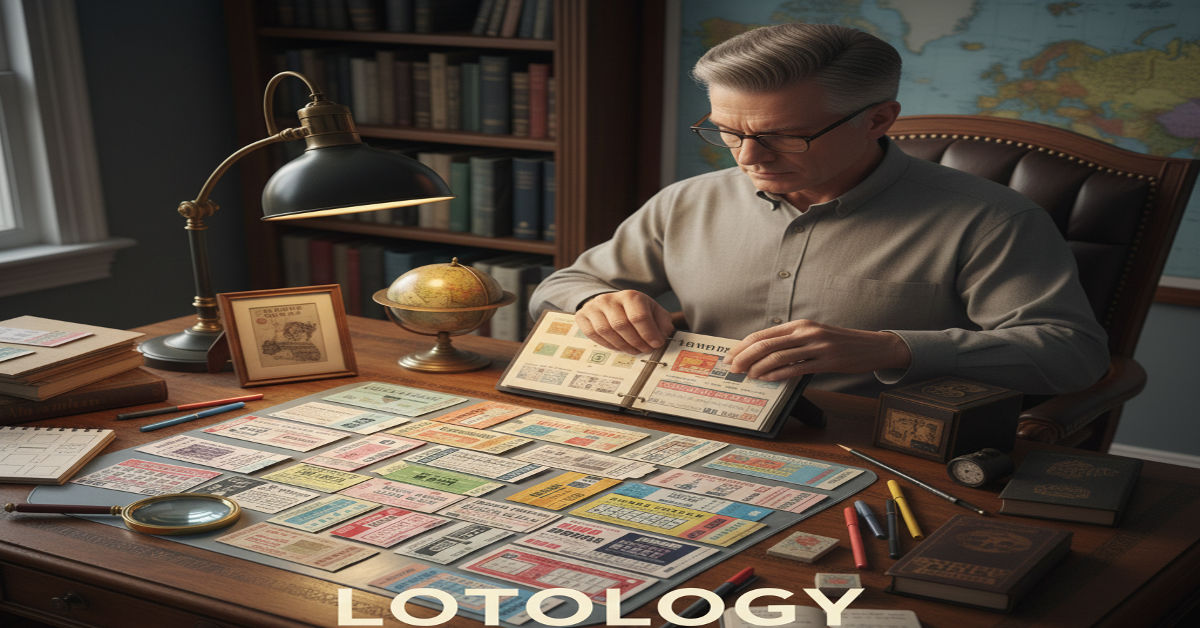
When most people think of a lottery ticket, they imagine numbers, jackpots or perhaps the fleeting hope of instant wealth. But for a small but dedicated group of enthusiasts, these slips of paper represent something entirely different: collectible artifacts with stories to tell. Lotology — the hobby or study of collecting lottery tickets and related memorabilia — transforms what was once discarded into treasured pieces of cultural and artistic expression. In its first few paragraphs, this article explains lotology’s appeal. At its core, lotology is about preservation — of history, design and the cultural moment each ticket encapsulates — rather than chasing monetary prizes.
Lotology encompasses the collection of unused and vintage lottery tickets, scratch cards, draw slips and other lottery ephemera, appreciated for artistic themes, printing quirks, rarity or connections to broader cultural narratives. Originating alongside the rise of modern lotteries in the 20th century, the hobby gained greater visibility in the late 1990s and early 2000s as collecting communities formed and enthusiasts began to document and trade their holdings. Though niche compared to stamp or coin collecting, lotology reflects broader human impulses to preserve fragments of chance and fate — pieces of paper that once promised millions but now evoke memory, design and serendipity.
Collectors today come from diverse walks of life graphic design aficionados who admire the vibrant illustrations of scratch-off games, history lovers who chase early paper tickets from defunct lotteries, and community builders who bond over shared passion online and at annual conventions. Though few tickets command high prices on the open market, the value for lotologists is often personal — a connection to time, place and the thrill of the shared pursuit.
Origins and Evolution of Lotology
Lotology traces its roots to the broader history of lotteries themselves. Lotteries date back centuries, with early forms documented in fifteenth-century Europe as tools for public finance. However, collecting tickets only became feasible and attractive with the advent of mass-printed lottery tickets in the 20th century. The first modern scratch-off ticket debuted in Massachusetts in 1974, introducing bold colors, thematic artwork, and a playful format that would later capture the interest of collectors.
The word lotology appears to have emerged in collector circles by the late 1990s and early 2000s as enthusiasts sought a term to describe their niche interest. Around that time, the Global Lottery Collectors Society — one of the primary collector organizations — formed and began documenting tickets by year, theme, and geography, creating structured catalogs and circulating newsletters.
Unlike traditional gambling, lotology places emphasis on the ticket itself as a cultural artifact. Early tickets often feature historical typography, governmental seals, or local symbols, while modern tickets reflect pop culture phenomena, holidays, and special events. This blend of design and cultural resonance places lottery tickets alongside stamps, banknotes, and trading cards in the spectrum of collectible paper goods.
| Era | Key Development |
| Pre–20th Century | Lotteries used sporadic paper tickets for fundraising; few survive. |
| 1974 | First modern scratch-off ticket in Massachusetts introduces vibrant, collectible designs. |
| Late 1990s–2000s | Term lotology gains traction; collector communities and societies form. |
| 2000s–Present | Online forums, social media, and auctions increase global collector interaction and rare ticket trading. |
People and Communities Behind Lotology
What was once a solitary pastime has grown into a modest but passionate global community. Enthusiasts connect through online forums, social media groups, local clubs, and annual gatherings known as “Lotoventions,” where collectors showcase rare pieces, trade duplicates, and discuss strategies for preservation and acquisition.
One of the longest-standing groups is the Global Lottery Collectors Society, comprising members from more than a dozen countries. While far smaller than stamp or coin collecting clubs, it organizes conventions and offers resources like catalogs and networking opportunities for both novice and experienced lotologists.
Online spaces — from dedicated Reddit threads to Facebook and Discord communities — allow collectors to share photos of rare finds, seek tickets from specific regions or themes, and discuss how to store and protect their collections. These forums often reflect the same communal camaraderie found in other collector groups: shared excitement over a rare print run, advice on preservation methods, and friendly bartering among participants.
| Community Type | Primary Activity |
| Global Lottery Collectors Society | Annual Lotovention, newsletters, catalogs. |
| Reddit & Facebook Groups | Ticket trading, identification, and social interaction. |
| Online Auctions | Buying, selling, and valuing rare tickets. |
Three seasoned lotologists observe that part of the hobby’s allure is the diversity of focus it allows: some collect by country, others by theme, and some chase historical or error prints that might appear once in decades.
“It’s like discovering a tiny piece of time,” says one long-time enthusiast. “A ticket that survived the trash heap might tell a story about local culture, design trends, or even personal luck.”
“Every collection is different,” another collector notes. “You’re preserving small snapshots of society’s evolving fascination with chance.”
“The paper’s fragility is part of the romance,” adds a third veteran — “It’s a race against time to save these before they fade.”
Notable Collections and Stories
Among lotologists, a few collections have gained fame for sheer breadth or historical significance. One notable collector amassed more than 250,000 discarded scratch-off tickets over decades, meticulously cataloging around 30,000 unique designs by state and theme — a testament to the hobby’s dedication and archival spirit.
Collectors treasure a variety of ticket types: from mid‑20th century charity game tickets to modern themed scratch-offs tied to cultural events. Some collectors prize early issues like the 1974 Massachusetts scratch ticket — among the first ever printed — which now can fetch significant sums among enthusiasts due to its scarcity.
Others pursue error prints or limited editions, which, like misprinted stamps or coins, can spike considerably in desirability. Auction sites and specialized sellers list rare or vintage tickets, enabling collectors to chase rarities across geographies without physical travel.
Yet even the rarest collections share a common thread: they elevate pieces of discarded everyday life into cultural artifacts worth preserving and studying.
How to Start and Grow a Lotology Collection
Starting a lottery ticket collection requires curiosity, organization, and a willingness to look beyond monetary winnings. Beginners often start with lottery tickets they already possess — whether used scratch cards, draw slips or promotional tickets — and then refine a focus, such as regional lotteries, specific themes or historical eras.
Preservation is critical: unlike stamps, lottery tickets are printed on thin paper and lacquered surfaces that are prone to fading, tearing, and deterioration. Experts recommend storing tickets in acid‑free sleeves or archival binders, away from light and humidity.
Connecting with other collectors accelerates learning. Social media groups, forums, and collector fairs offer opportunities to trade duplicates and acquire elusive pieces. Online marketplaces like eBay also provide a platform to buy and sell tickets from distant collections, though careful research is needed to avoid misrepresented items.
Takeaways
• Lotology is the niche hobby of collecting lottery tickets for their cultural and artistic value.
• The hobby has roots in the mass-printing of tickets and organized collector communities dating back to the early 2000s.
• Communities like the Global Lottery Collectors Society host conventions and newsletters.
• Rare and vintage tickets can sometimes fetch notable prices among dedicated collectors.
• Preservation challenges require careful storage and handling.
Conclusion
Lotology, while far from mainstream, illuminates a broader truth about how humans find meaning in the everyday. What many discard as common ephemera — a scratched lottery ticket — can, to a lotologist, become a window into history, design, and culture. The hobby reflects a universal fascination with chance, memory, and the desire to preserve fragments of lived experience. As physical lottery tickets face obsolescence in the digital age, collectors may find their pursuits increasingly poignant: each preserved ticket not only records a moment of hopeful anticipation, but also stands as a testament to the enduring human instinct to collect, remember, and share stories far beyond their face value.
FAQs
What is lotology?
Lotology is the hobby and study of collecting lottery tickets and related memorabilia for artistic, historical, or rarity value rather than for prizes.
Are there communities for lotologists?
Yes. Enthusiasts connect through organizations like the Global Lottery Collectors Society, online forums, and social media groups.
Can lottery tickets be valuable?
Some rare vintage or limited edition tickets can be prized by collectors and fetch notable prices, though most have modest collectible value.
How do I preserve lottery tickets?
Use acid‑free sleeves, archival binders, and store tickets away from light and humidity to prevent fading and damage.
Where can I find rare tickets?
Rare tickets may be found through auctions, collector trades, antique shops, or online marketplaces dedicated to collectibles.
REFERENCES
Global Lottery Collectors Society and hobby overview. LoveToKnow. Retrieved December 2025, from https://www.lovetoknow.com/home/antiques-collectibles/global-lottery-collectors-society
History and growth of lotology hobby. Pinkcrow. Retrieved December 2025, from https://pinkcrow.net/lottery/lotology/
Collector community and online engagement. IT Shifting. Retrieved January 2026, from https://itshifting.com/lotology/
Collector insights and ticket types. The Blup. Retrieved January 2026, from https://www.theblup.com/lotology-the-fascinating-hobby-of-lottery-ticket-collecting/
Notable stories and large collections. LotteryPost / SilverLotto. Retrieved December 2025, from https://www.lotterypost.com/news/132683
Historic and valuable tickets guide. LuxePress. Retrieved January 2026, from https://luxepress.us/bussiness/lotology/