

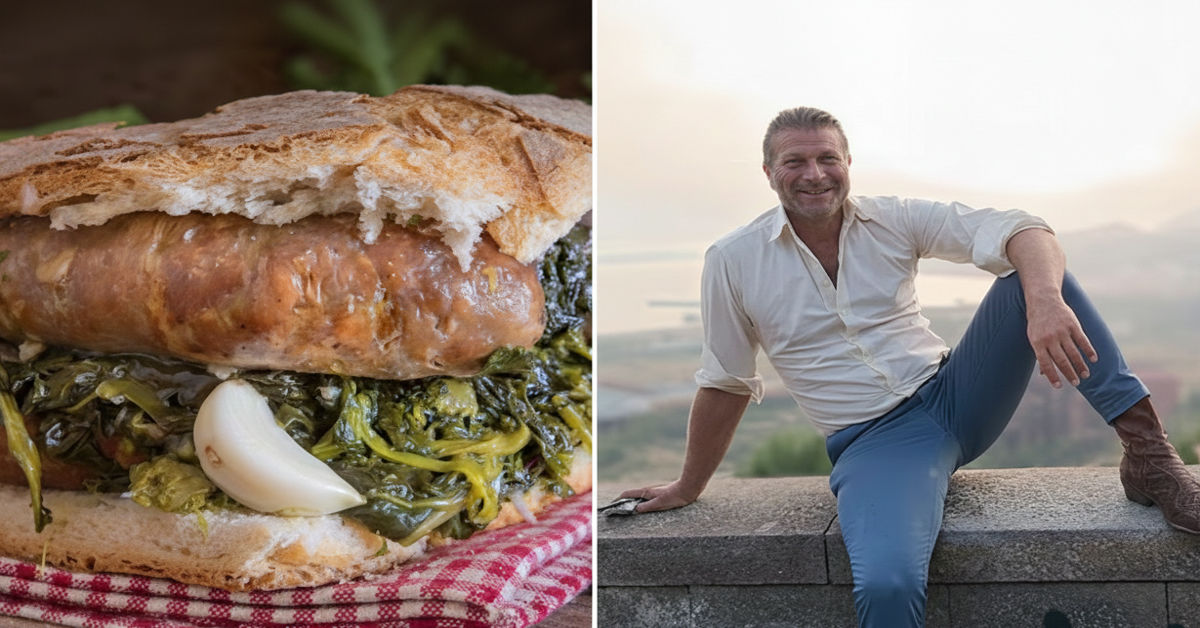
In August 2025, Luigi Di Sarno, a 52-year-old musician and artist from Naples, died after consuming a broccoli and sausage sandwich from a street food vendor in Diamante, Calabria. This tragic incident, which also affected his family and several other customers, brought the rare but deadly foodborne illness botulism into sharp focus. Within hours of eating the sandwich, Di Sarno and four family members developed severe symptoms, including muscle weakness, difficulty swallowing, and respiratory distress. Di Sarno collapsed while driving and later succumbed to the toxin, while two family members remain in critical condition.
The sandwich that caused this tragedy was prepared with broccoli preserved in oil, a method that can promote the growth of Clostridium botulinum bacteria if not handled properly. This bacterium produces a potent neurotoxin that attacks the nervous system, causing paralysis and potentially death. Authorities quickly linked the incident to the food vendor seizing the contaminated jars and issuing a nationwide broccoli recall. Nine other unrelated customers who ate from the same vendor were hospitalized with similar symptoms, demonstrating the severity of botulism exposure.
Italy has experienced sporadic cases of botulism before, including an outbreak in Sardinia linked to guacamole just a month prior. These events underline the dangers of improper food preservation, especially in street food settings where temperature control and sterilization standards may be inconsistent. Health officials emphasized the importance of rapid treatment with antitoxin and vigilant monitoring of at-risk foods.
How the Incident Unfolded
The fatal case of Luigi Di Sarno unfolded over the course of hours. He and his family were traveling home from a vacation in Calabria when they stopped at a food truck known for local specialties. After consuming the sandwiches, the family quickly developed neurological symptoms, indicating severe botulism poisoning. Emergency services were contacted immediately, but Di Sarno collapsed before reaching medical care.
Medical teams at Annunziata Hospital in Cosenza treated the other affected individuals with botulism antitoxin, which can neutralize circulating toxins before they permanently bind to nerve endings. Despite aggressive treatment, two family members remain in serious condition weeks later. The rapid onset of symptoms, coupled with the high toxicity of botulinum neurotoxin, emphasizes how dangerous improperly preserved food can be.
Italian health authorities launched an immediate investigation, tracing the contaminated broccoli to the street vendor and ordering a seizure of all preserved vegetable products. A nationwide recall was issued, and officials warned consumers to exercise caution with home-canned or oil-preserved vegetables.
Botulism: Understanding the Risk
Botulism is a rare but potentially fatal illness caused by toxins produced by Clostridium botulinum, a bacterium commonly found in soil and improperly preserved foods. The bacteria thrive in low-oxygen environments, such as vegetables stored in oil without adequate acidification or heat processing. Once ingested, the toxin attacks the nervous system, causing muscle paralysis, breathing difficulties, and in severe cases, death.
Treatment involves administering antitoxin to neutralize circulating toxins and providing supportive care, often including mechanical ventilation if breathing is compromised. Early recognition is critical, as delayed treatment can significantly increase the risk of death. The Calabria outbreak highlights the fine line between culinary tradition and foodborne hazards, particularly when preservation methods bypass proper safety measures.
Timeline of the Calabria Botulism Outbreak
| Date | Event |
| Early August 2025 | Luigi Di Sarno and family consume contaminated sandwiches in Diamante. |
| August 8, 2025 | Di Sarno collapses and dies; four family members hospitalized with botulism symptoms. |
| August 9, 2025 | Authorities seize jars of preserved broccoli and issue a nationwide recall. |
| Mid-August 2025 | Nine additional unrelated customers hospitalized after consuming food from the same vendor. |
| Late August 2025 | Health inspections conducted for similar preserved vegetable products across Calabria and other regions. |
The Street Food Dilemma
Street food is a beloved part of Italian culture, offering quick, flavorful meals that showcase local traditions. However, the Calabria outbreak illustrates the inherent risks associated with artisanal preservation techniques. While home-canned or oil-preserved vegetables can enhance taste, they also create environments conducive to bacterial growth if safety protocols are not strictly followed.
Food safety experts emphasize the need for rigorous handling standards. Dr. Sandra Pellegrini, an infectious disease specialist in Milan, notes, “Botulism is rare, but its consequences are severe. Even minor lapses in food safety can be catastrophic.” Prof. Alberto Russo, a food safety researcher at the University of Bologna, adds, “Oil preservation without proper acidification is a perfect environment for Clostridium botulinum to thrive.” Public health advocate Maria Lupo also cautions, “Street food culture must balance tradition with rigorous food safety practices.”
Street Food vs. Industrial Production
| Aspect | Street Food / Artisanal | Industrial Production |
| Regulation | Variable; often informal | Strict, standardized protocols |
| Preservation | Traditional methods; risk of contamination | Controlled temperature, pH, and sterilization |
| Botulism Risk | Higher due to oil preservation without acidity | Lower due to quality control |
| Labeling | Limited transparency | Clear traceability and labeling |
| Public Health Monitoring | Reactive | Proactive surveillance and recall mechanisms |
Takeaways
- Botulism is rare but potentially fatal; even small doses of toxin can be deadly.
- Improperly preserved vegetables, especially in oil, present the highest risk for botulism.
- Rapid administration of antitoxin is essential for survival.
- Street food vendors must adhere to strict hygiene and preservation standards.
- National recalls and inspections are critical to prevent widespread outbreaks.
- Awareness campaigns can educate consumers on safe storage of preserved foods.
Conclusion
Man Killed Eating Broccoli underscores the continuing dangers of improperly preserved foods, even within well-established culinary traditions. The man killed eating broccoli became a symbol of the delicate balance between Italy’s cherished street food culture and the rigorous standards required to keep it safe.
Man Killed Eating Broccoli incident has prompted national reflection on the responsibilities of food vendors, regulators, and consumers alike. Italy’s health authorities have acted swiftly, issuing recalls, conducting inspections, and reinforcing public health messaging. Yet the tragedy highlights that vigilance, awareness, and adherence to proper preservation techniques remain essential. As street food and artisanal practices continue to flourish, the lessons from Calabria are a sobering reminder that tradition cannot come at the expense of safety.
FAQs
What causes botulism?
Botulism is caused by a toxin produced by Clostridium botulinum, which grows in low-oxygen, improperly preserved foods.
What are common botulism symptoms?
Symptoms include muscle weakness, vision problems, difficulty swallowing, and respiratory distress.
How is botulism treated?
Treatment involves antitoxin administration and supportive care, sometimes including ventilation.
Is botulism common in Italy?
Botulism is rare but can occur with improper preservation of vegetables and artisanal foods.
How can consumers avoid botulism after Man Killed Eating Broccoli?
Avoid home-canned or oil-preserved vegetables unless properly acidified and sterilized.
References
- 7NEWS. (2025, August 10). One dead and nine others rushed to hospital after eating broccoli prompting urgent recall in Italy. 7NEWS. https://7news.com.au/news/one-dead-and-nine-others-rushed-to-hospital-after-eating-broccoli-prompting-urgent-recall-in-italy-c-19637434
- People. (2025, August). Man dead, 9 others hospitalized after eating sandwiches amid botulism outbreak. People. https://people.com/man-dead-9-others-hospitalized-after-eating-sandwiches-amid-botulism-outbreak-11788221
- La Prima Pagina. (2025, August 9). Emergenza sanitaria per due casi di intossicazione da botulino in Calabria e Sardegna. La Prima Pagina. https://www.laprimapagina.it/2025/08/09/emergenza-sanitaria-per-due-casi-di-intossicazione-da-botulino-in-calabria-e-uno-in-sardegna-azione-immediata-del-ministero-della-salute/
- Giornale La Voce. (2025, August). Botulismo, doppio focolaio in Sardegna e Calabria. Giornale La Voce. https://www.giornalelavoce.it/news/attualita/616959/botulismo-doppio-focolaio-in-sardegna-e-in-calabria-morti-intossicati-e-allarme-nazionale-cos-e-sintomi-e-come-prevenirlo.html
- Calabria Diretta News. (2025, August 8). Allarme botulino, sequestrato in tutta Italia il prodotto che avrebbe causato l’intossicazione. Calabria Diretta News. https://www.calabriadirettanews.com/2025/08/08/allarme-botulino-sequestrato-in-tutta-italia-il-prodotto-che-avrebbe-causato-lintossicazione/